

Sudden tooth pain rarely comes with a warning, and most people calling about emergency dental services have no idea what to expect once they arrive. Understanding what actually happens during a visit to an emergency dentist in Philadelphia can make the whole experience feel far less overwhelming.
From the moment someone walks in, every step is designed to identify the source of pain and stop it as quickly as possible. Here is a realistic walk-through of what that process typically looks like.
Walking Through an Urgent Dental Appointment
Check-In and Immediate Assessment
Front-desk staff typically prioritize emergency patients over scheduled routine visits, since pain and swelling can change quickly. A brief conversation about symptoms, timing, and any injury helps the team decide how urgently treatment is needed.
Diagnostic Imaging and Exam
A focused exam usually follows, often paired with X-rays to see below the gumline where problems are not visible to the naked eye. This step is what turns a vague symptom like pain or swelling into an actual diagnosis.
Common Treatments During an Emergency Visit
Addressing Pain From Decay or Infection
Untreated cavities are among the most frequent causes of sudden dental pain, according to the Mayo Clinic's overview of cavities. Once decay reaches the inner tooth, the pain often becomes sharp enough to prompt an emergency visit.
When a Tooth Needs a Root Canal
If decay or infection has reached the nerve, a root canal treatment is often the best way to stop the pain for good. The procedure removes the infected tissue while preserving the natural tooth structure.
When Extraction Is the Best Option
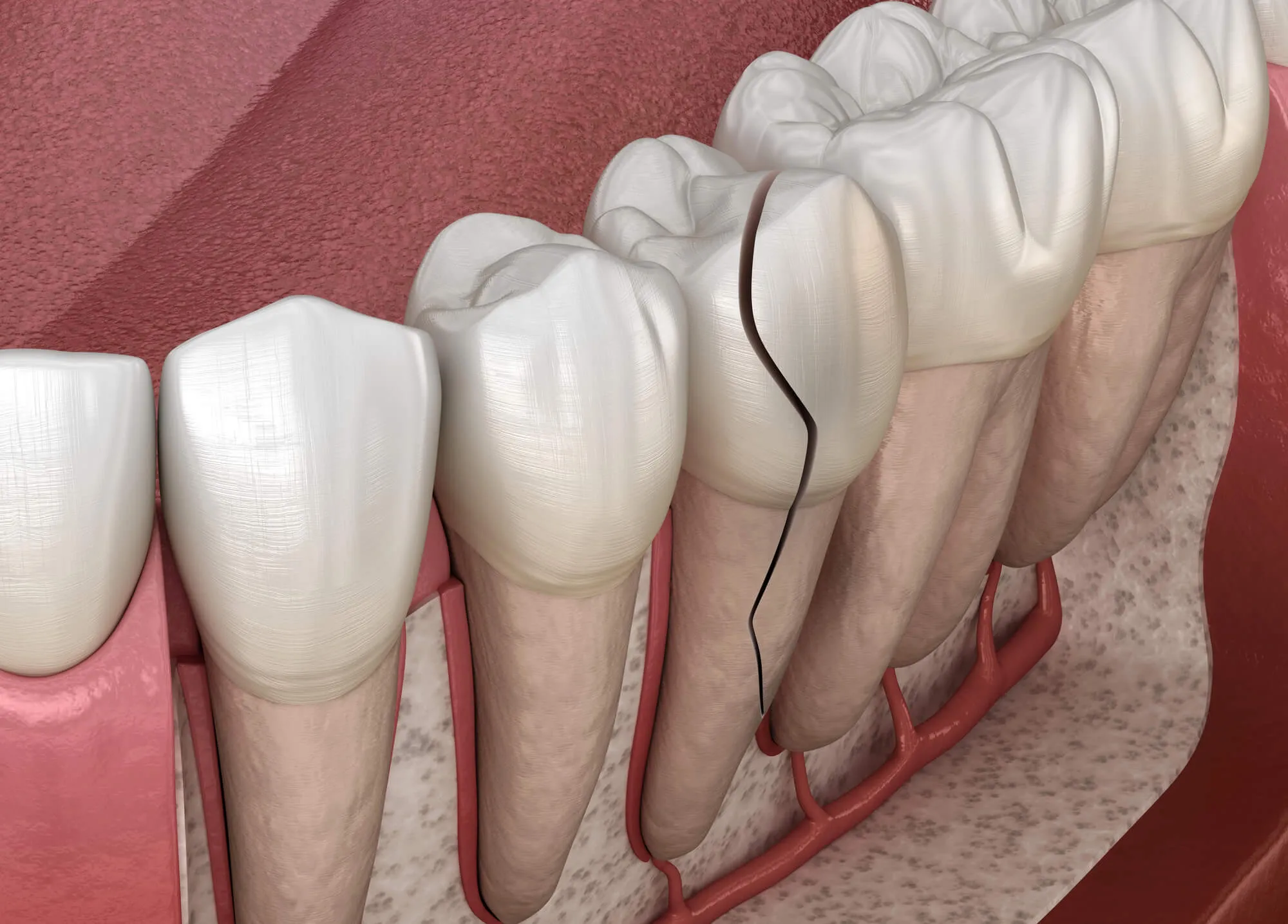
Sometimes a tooth is too damaged or infected to save, and tooth extraction becomes the safer choice. This is more common with severely cracked teeth or an advanced infection that has damaged the surrounding bone.
The Cleveland Clinic describes extraction as a routine procedure with a predictable recovery process when aftercare instructions are followed. Most patients feel significant relief within a day or two of the procedure.
What Happens After the Visit
Recovery instructions vary depending on the treatment provided, but a few basics apply across most emergency procedures:
- Avoiding hard or chewy foods for the first day or two
- Taking prescribed or over-the-counter pain relief as directed
- Watching for unusual swelling, fever, or prolonged bleeding
- Scheduling a follow-up visit if one is recommended
Frequently Asked Questions About Emergency Dental Visits
How Quickly Can Someone Be Seen?
Most dental offices try to see emergency patients the same day, especially when pain or swelling is severe. Calling ahead helps the team prepare and reduces time spent waiting once someone arrives.
Does Every Dental Emergency Require Treatment That Day?
Not always. Though pain relief and a diagnosis are typically provided during the first visit, regardless. Some treatments, such as the final restoration of a root canal, may be completed at a follow-up appointment.
What Should Someone Bring to an Emergency Visit?
A list of current medications and a general timeline of when symptoms started are both genuinely helpful. For injuries involving a knocked-out tooth, bringing the tooth itself, kept moist, can sometimes make a difference.

Find an Emergency Dentist in Philadelphia at Center City Dental
Dental pain rarely waits for a convenient time, and the team at Center City Dental understands how stressful that can feel. Anyone searching for an emergency dentist in Philadelphia can reach out to our team right away to get seen quickly and get real answers.
.svg)
