
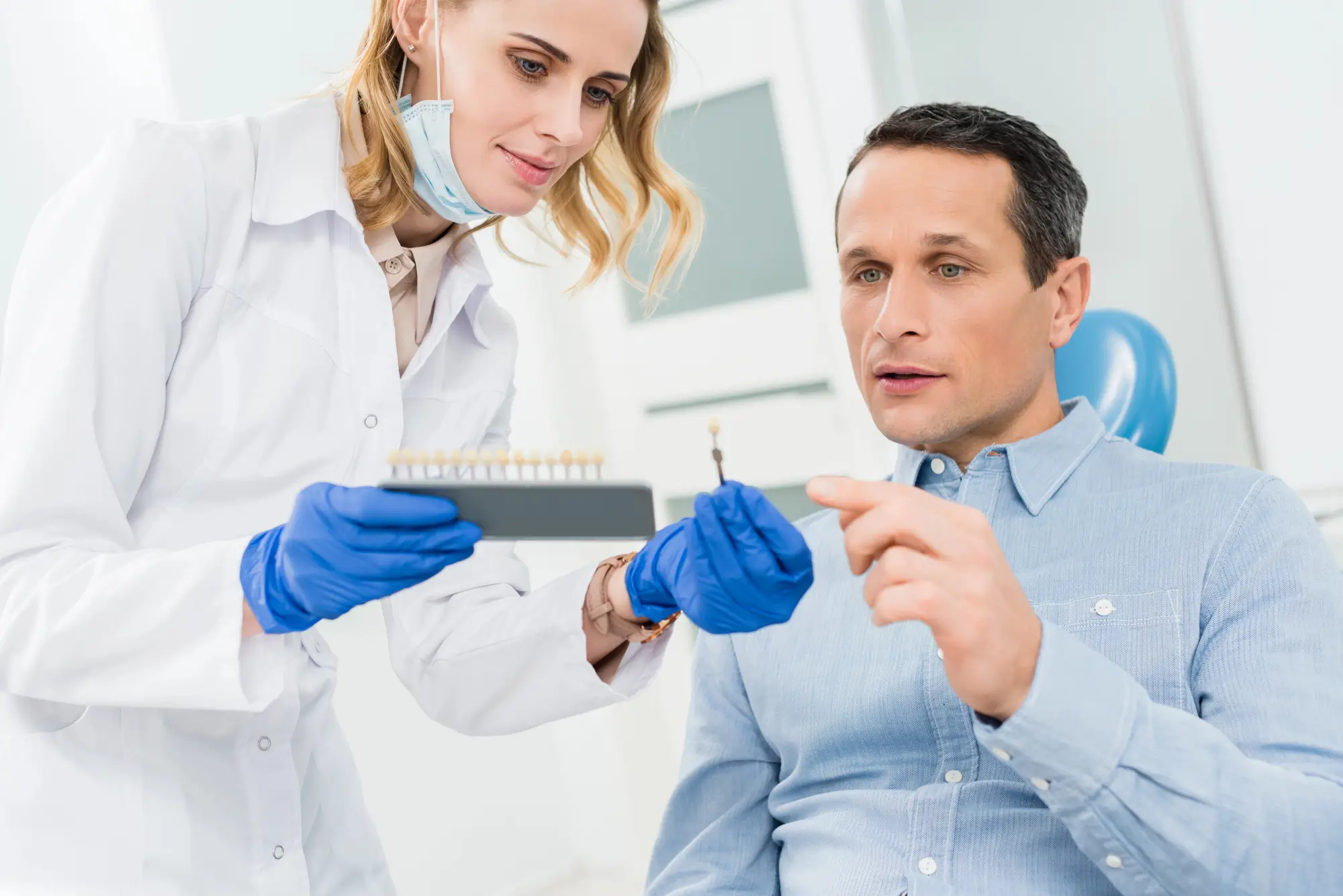
Accessing high-quality dental services is the very first step toward achieving a fully functional, healthy smile. Patients considering dental implants in Philadelphia can greatly benefit from understanding the structured, multi-step timeline for this permanent restoration.
Understanding the Initial Consultation
Evaluation and Imaging
The restorative journey always begins with a comprehensive evaluation of the oral cavity and jawbone density. Advanced imaging technology provides highly detailed, three-dimensional views of the underlying bone structure.
Developing a Treatment Plan
Dental professionals use these detailed diagnostic images to map out the exact placement of the artificial roots. Research from the American Dental Association indicates that discussing all replacement teeth options during this planning phase ensures optimal long-term results.
Preparing the Jaw for Surgery
Addressing Oral Health Issues
A healthy, disease-free oral environment is absolutely necessary before any restorative surgery can safely begin. Providers often recommend addressing active decay with routine fillings or treating gum disease prior to proceeding.
Bone Grafting Requirements
When jawbone density is deemed insufficient, a preliminary bone graft builds up the area to support the future post. This necessary preparatory step adds a few months to the timeline but guarantees ultimate stability for the final restoration.
The Surgical Placement Phase
Placing the Titanium Post
A skilled dental specialist carefully inserts a strong, root-like titanium post directly into the jawbone. Official medical guidelines outline that these biocompatible materials safely fuse with human bone over time without causing adverse reactions.
The Osseointegration Process
This biological fusion period creates a highly secure, permanent foundation for the final artificial tooth. Proper healing requires strict adherence to specific aftercare guidelines provided by the surgical team.
- Patients must maintain excellent oral hygiene throughout the recovery phase.
- Soft food diets help protect the vulnerable surgical site from unnecessary chewing pressure.
- Routine follow-up appointments allow dental professionals to closely monitor the healing progress.
Adding the Final Restoration
Attaching the Abutment
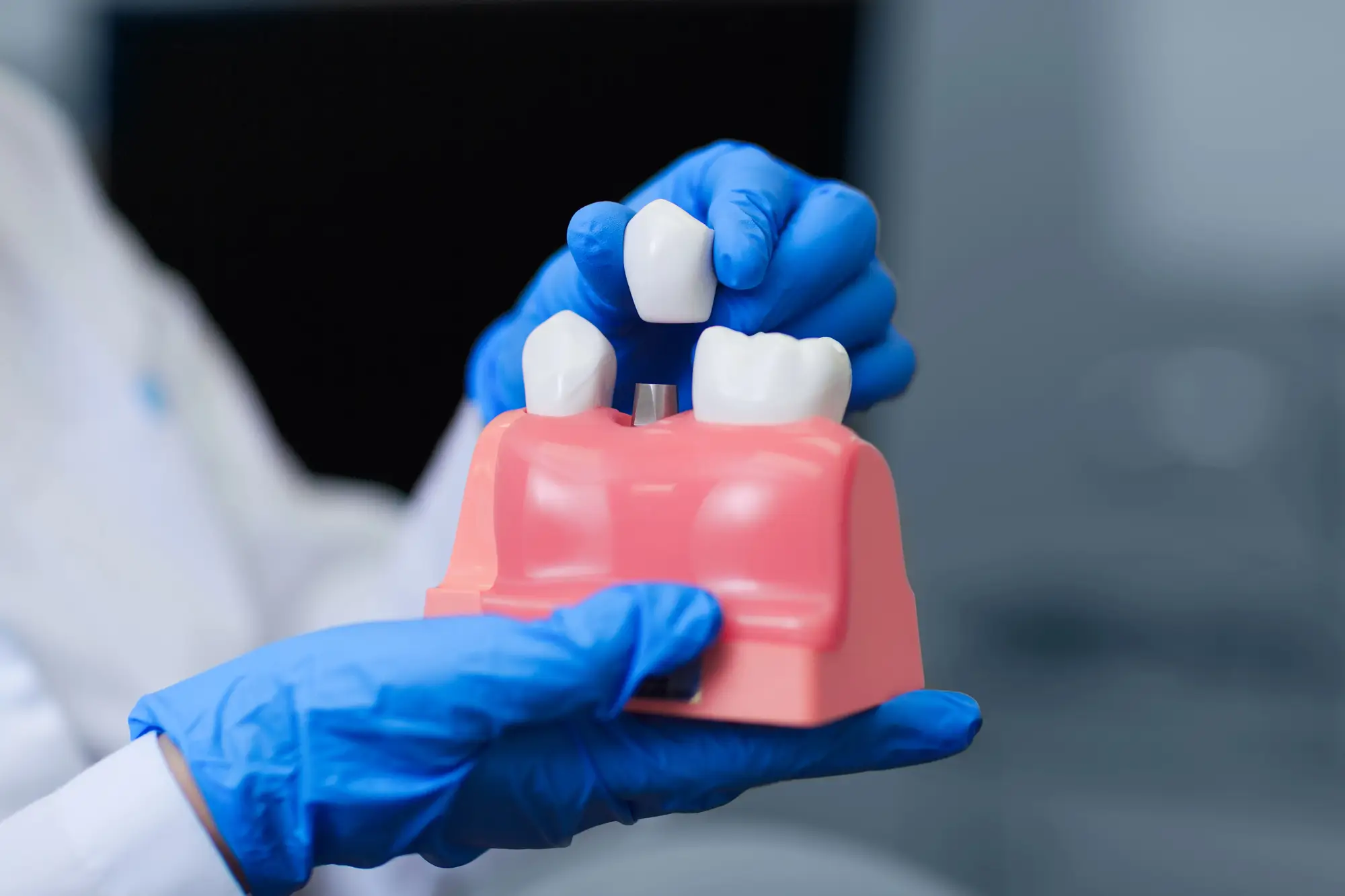
Once the jawbone has fully healed and integrated, a small connector piece, called an abutment, is securely attached to the post. This vital intermediate component serves as the permanent, stabilizing base for the new visible tooth.
Securing the Artificial Tooth
The final, most exciting step involves securing beautifully crafted, naturally colored custom crowns onto the abutments. This creates a seamless, incredibly durable smile that functions exactly like strong natural teeth.
Frequently Asked Questions About Smile Restoration
How long does the healing process take?
The complete osseointegration process typically spans three to six months, depending on individual physiological healing rates. Patients with exceptional bone health and no need for grafting often experience significantly faster recovery times.
Does the procedure cause significant discomfort?
Advanced local anesthetics and modern surgical techniques ensure that patients remain entirely comfortable during the placement procedure. Post-operative soreness is generally mild and easily managed with over-the-counter pain relievers during the first few days.
Are there non-surgical alternatives to this treatment?
Some individuals missing multiple teeth might choose conventional traditional dentures for a completely non-surgical, removable solution. A thorough, in-person consultation helps determine exactly which restoration method fits a patient's unique lifestyle and budget.
Start Your Journey Toward Dental Implants in Philadelphia
If you are finally ready to permanently restore your smile with dental implants in Philadelphia, the experienced, compassionate team at Center City Dental is here to help. Reach out to our front desk today to schedule a consultation and take the first important step toward lasting oral health.
.svg)
