
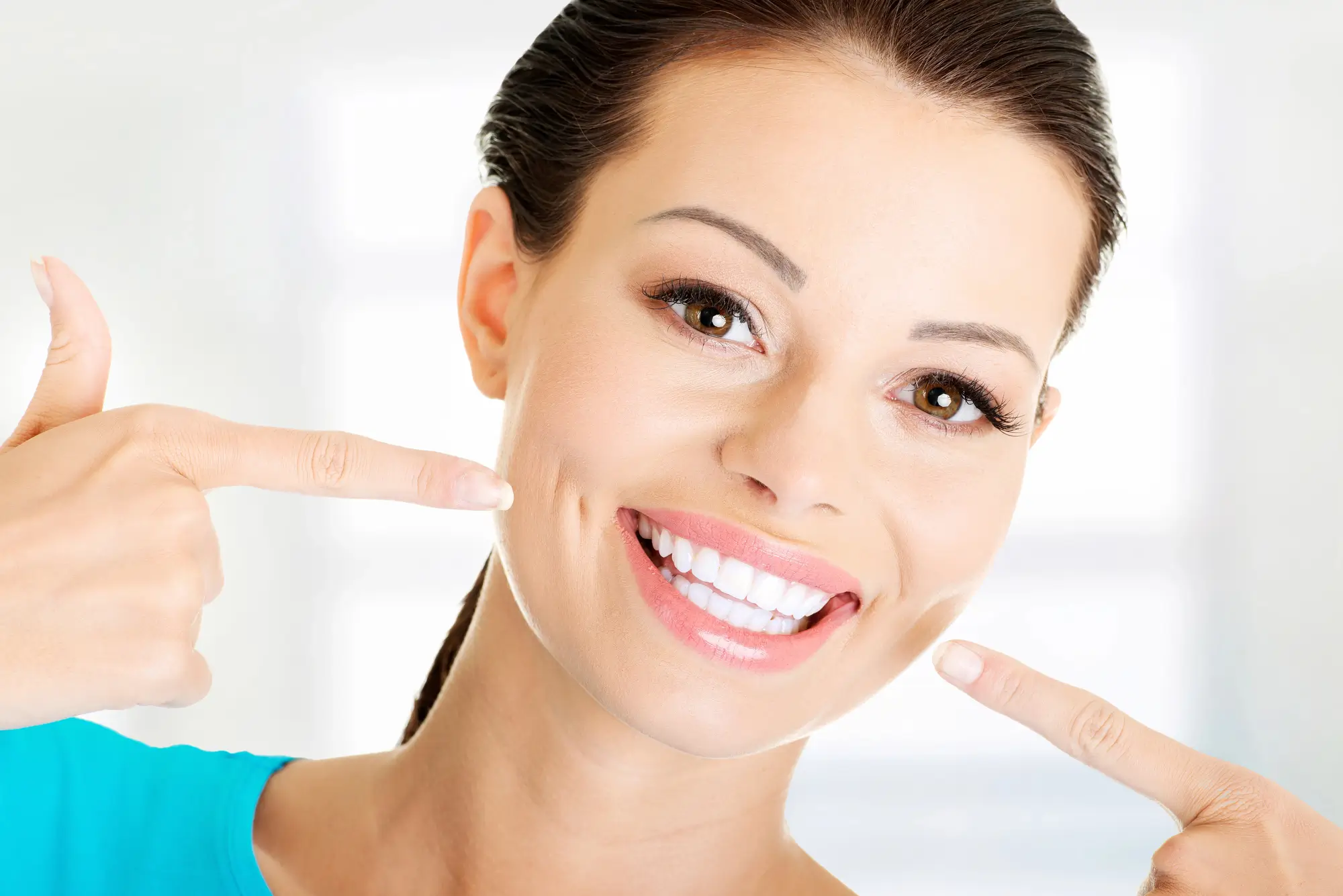
Anyone comparing professional whitening options quickly discovers that not every method delivers the same results. For patients researching teeth whitening in Philadelphia, understanding what separates an at-home kit from an in-office treatment can make the difference between a subtle change and a genuinely brighter smile.
Drugstore shelves are lined with whitening strips, trays, and pens promising fast results. At the same time, dental offices offer treatments backed by professional oversight. Knowing how each approach works and why the outcomes differ helps make a more confident choice.
Two Paths to a Whiter Smile
How At-Home Whitening Kits Work
Store-bought kits typically rely on lower concentrations of hydrogen or carbamide peroxide applied through strips, trays, or paint-on pens. Because the formulas are diluted for safety without supervision, results tend to appear gradually and often unevenly across the smile.
How In-Office Whitening Works
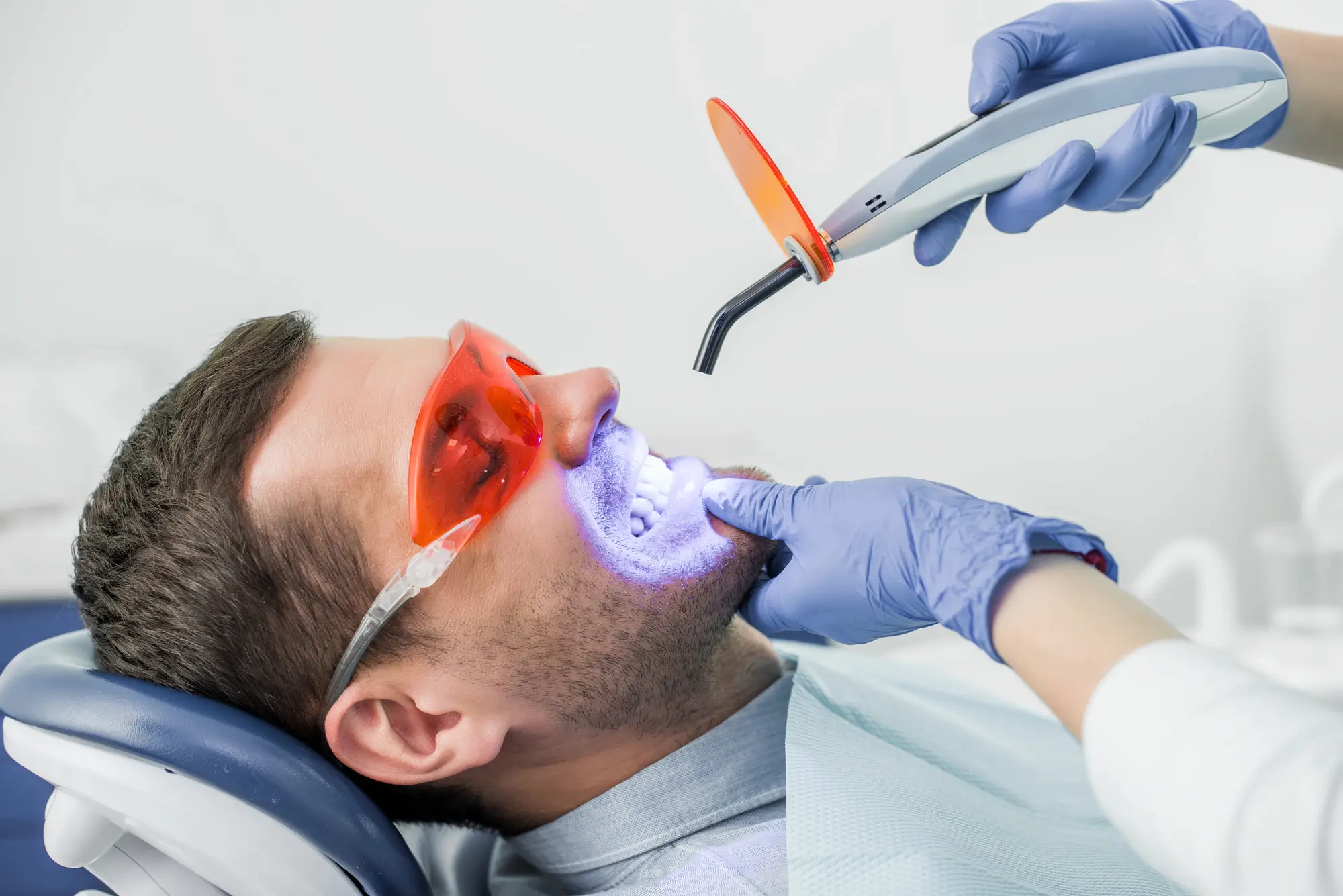
In-office treatments use stronger, professional-grade whitening agents that a dental team can apply and monitor in real time. This allows higher concentrations to be used safely, often producing several shades of improvement in a single visit.
Why the Results Differ So Much
The gap in results comes down to strength, precision, and protection. Professional treatments are calibrated to each patient's enamel and gum sensitivity, something a generic kit cannot account for.
Several factors shape how noticeable and how lasting whitening results turn out to be:
- Peroxide concentration used in the treatment
- Even application across every visible tooth
- Protection of gums and soft tissue during treatment
- Professional monitoring of enamel sensitivity
Safety Considerations for Each Method
Overuse of at-home kits has been linked to increased tooth sensitivity and gum irritation, according to the Cleveland Clinic's guidance on whitening safety. A dental team can adjust concentration and timing to minimize these risks, something a one-size-fits-all kit is not designed to do.
Which Option Fits Different Smile Goals
Whitening is not the only path to a brighter appearance, and it is not always the right fit for every smile. Patients with staining from old fillings or chips sometimes achieve better results with porcelain veneers than with whitening alone.
The American Dental Association's overview of whitening options explains how enamel structure affects candidacy for treatment.
Other patients prefer cosmetic bonding to address small chips or gaps alongside a brighter shade. Maintaining results afterward often comes down to consistent habits, including routine teeth cleanings and cutting back on foods and drinks that stain teeth.
Frequently Asked Questions About Teeth Whitening
How Long Do Whitening Results Last?
Results typically last from six months to two years, depending on diet, oral hygiene, and habits like smoking. Touch-up treatments can help extend brightness between full sessions.
Is Whitening Safe for Sensitive Teeth?
Patients with sensitive teeth are not automatically excluded from whitening, but they may need a gentler formula or shorter treatment time. A dental evaluation beforehand helps determine the safest approach.
Can Whitening Fix Every Type of Stain?
Surface stains from coffee, tea, or wine typically respond well to whitening treatments. Deeper discoloration from medication or old dental work may need a different cosmetic solution instead.
Schedule Teeth Whitening in Philadelphia With Center City Dental
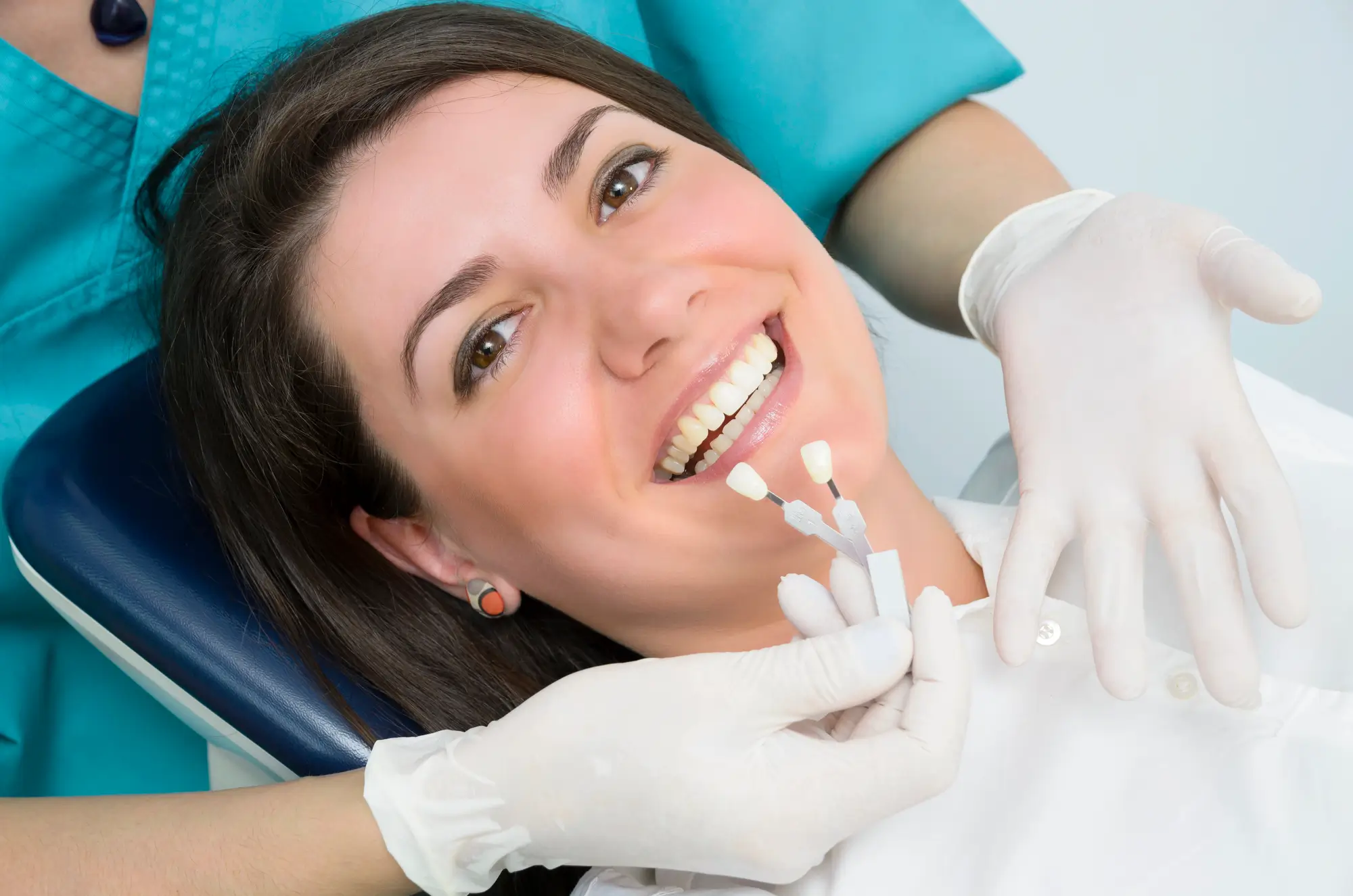
Choosing between an at-home kit and a professional treatment does not have to be confusing, and the team at Center City Dental is happy to help you weigh the options. If you are ready to explore teeth whitening in Philadelphia, scheduling a consultation is the easiest way to find the right fit for your smile.
.svg)
