
Anyone starting orthodontic treatment usually wants one answer before anything else: how long will it take? For patients considering Invisalign in Philadelphia, the honest answer depends on a few specific factors rather than a single fixed number.

Treatment length is not one-size-fits-all, and understanding what drives the timeline helps set realistic expectations from the start. Some patients finish in under a year, while others need extra months to fully align a more complex bite.

If you’re considering starting Invisalign treatment, it’s helpful to know what typically speeds up or slows down the process and what a first visit usually reveals about a specific case.

Anyone starting orthodontic treatment usually wants one answer before anything else: how long will it take? For patients considering Invisalign in Philadelphia, the honest answer depends on a few specific factors rather than a single fixed number.   Treatment length is not one-size-fits-all, and understanding what drives the timeline helps set realistic expectations from the start. Some patients finish in under a year, while others need extra months to fully align a more complex bite.   If you’re considering starting Invisalign treatment, it’s helpful to know what typically speeds up or slows down the process and what a first visit usually reveals about a specific case.   What Determines an Invisalign Timeline   Case Complexity Matters Most   Treatment length depends on the product type, how consistently the aligners are worn, and the complexity of the case, according to the Invisalign® treatment time guidance. Mild crowding or spacing tends to resolve faster than more complex bite issues.   How Aligners Move Teeth Over Time   The American Association of Orthodontists notes that each aligner is typically worn for one week, for at least twenty-two hours a day, moving teeth a fraction of a millimeter at a time. Multiply that pace across dozens of aligners, and the cumulative shift becomes clear.   Typical Timelines by Case Type   General ranges patients can expect, though a dental evaluation is the only way to confirm an individual timeline:   Mild crowding or spacing: several months   Moderate misalignment: around a year   More complex bite issues: over a year, sometimes with refinement aligners   Why an Initial Exam Sets the Timeline   A comprehensive exam is what turns a general range into an actual plan, since digital scans and X-rays reveal the exact movements each tooth needs. Skipping this step, or basing a timeline on guesswork, is one of the most common reasons treatment expectations go wrong.   Gum Health Can Affect the Schedule   Underlying gum disease may need to be addressed through periodontal care before aligner treatment can begin safely. Treating it first protects both the teeth and the surrounding bone during months of gradual movement.   Staying on Schedule Once Treatment Starts   Consistent wear is only part of the equation, since plaque can build up around aligners more easily than around natural teeth alone. Keeping up with routine cleanings throughout treatment helps protect enamel and keep the timeline on track.   Frequently Asked Questions About Clear Aligner Treatment   Can Treatment Ever Take Less Than a Year?   Mild cases involving only minor crowding or spacing sometimes finish in several months rather than a full year. A dental evaluation is the only reliable way to know which category a smile falls into.   Do Aligners Need to Be Worn All Day?   Consistent wear, generally at least twenty-two hours daily, is what keeps a treatment plan on schedule. Removing aligners too often for eating or socializing can extend the total timeline.   What Happens After the Aligners Come Off?   Retainers are typically needed afterward to keep teeth from shifting back into old positions, and wear time is usually reduced gradually rather than stopped all at once. Regular checkups help confirm that results are holding as expected long after the last aligner is removed.   Start Invisalign in Philadelphia at Center City Dental   Every smile moves at its own pace, and the team at Center City Dental is happy to map out a realistic timeline for you. Anyone ready to start Invisalign in Philadelphia can schedule a consultation to get an exact treatment plan instead of a guess.      *Invisalign®, the Invisalign logo, and iTero®, among others, are trademarks and/ or service marks of Align Technology, Inc. or one of its subsidiaries or affiliated companies and may be registered in the U.S. and/or other countries.

What Determines an Invisalign Timeline

Case Complexity Matters Most

Treatment length depends on the product type, how consistently the aligners are worn, and the complexity of the case, according to the Invisalign® treatment time guidance. Mild crowding or spacing tends to resolve faster than more complex bite issues.

How Aligners Move Teeth Over Time

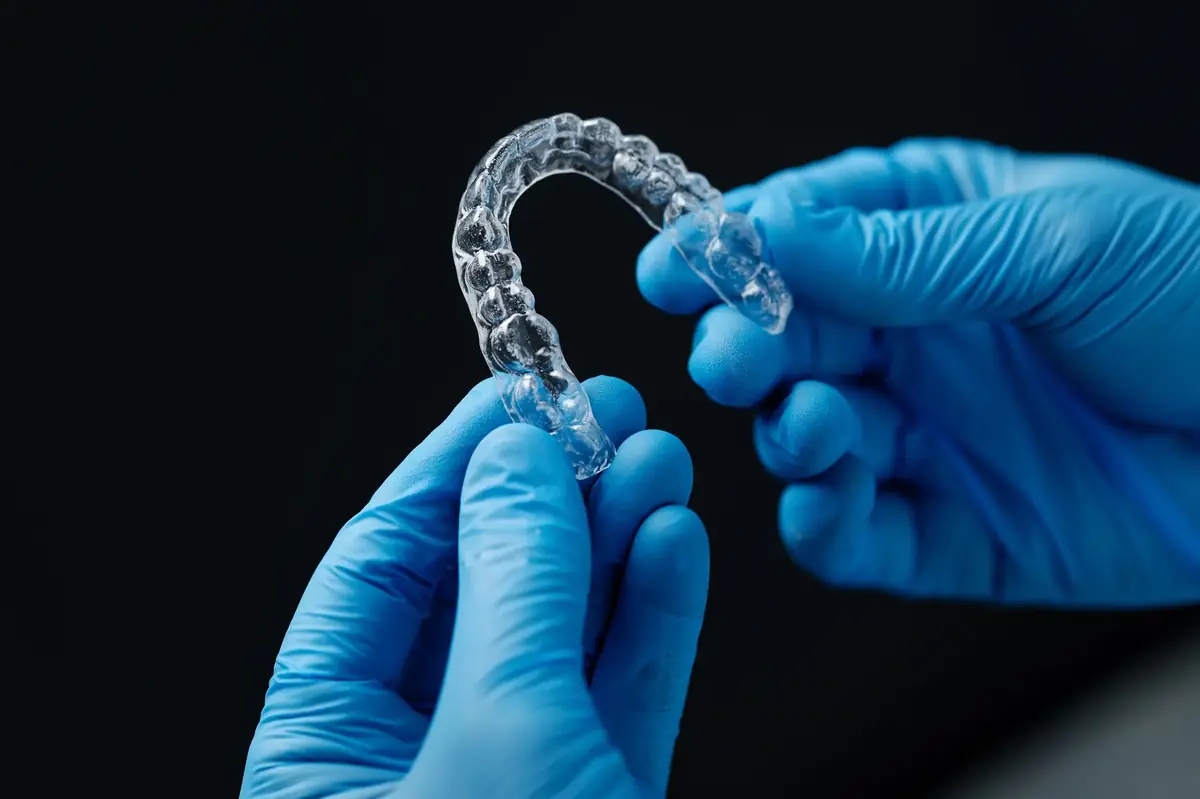
The American Association of Orthodontists notes that each aligner is typically worn for one week, for at least twenty-two hours a day, moving teeth a fraction of a millimeter at a time. Multiply that pace across dozens of aligners, and the cumulative shift becomes clear.

Typical Timelines by Case Type

General ranges patients can expect, though a dental evaluation is the only way to confirm an individual timeline:

  • Mild crowding or spacing: several months
  • Moderate misalignment: around a year
  • More complex bite issues: over a year, sometimes with refinement aligners

Why an Initial Exam Sets the Timeline

A comprehensive exam is what turns a general range into an actual plan, since digital scans and X-rays reveal the exact movements each tooth needs. Skipping this step, or basing a timeline on guesswork, is one of the most common reasons treatment expectations go wrong.

Gum Health Can Affect the Schedule

Underlying gum disease may need to be addressed through periodontal care before aligner treatment can begin safely. Treating it first protects both the teeth and the surrounding bone during months of gradual movement.

Staying on Schedule Once Treatment Starts

Consistent wear is only part of the equation, since plaque can build up around aligners more easily than around natural teeth alone. Keeping up with routine cleanings throughout treatment helps protect enamel and keep the timeline on track.

Frequently Asked Questions About Clear Aligner Treatment

Can Treatment Ever Take Less Than a Year?

Mild cases involving only minor crowding or spacing sometimes finish in several months rather than a full year. A dental evaluation is the only reliable way to know which category a smile falls into.

Do Aligners Need to Be Worn All Day?

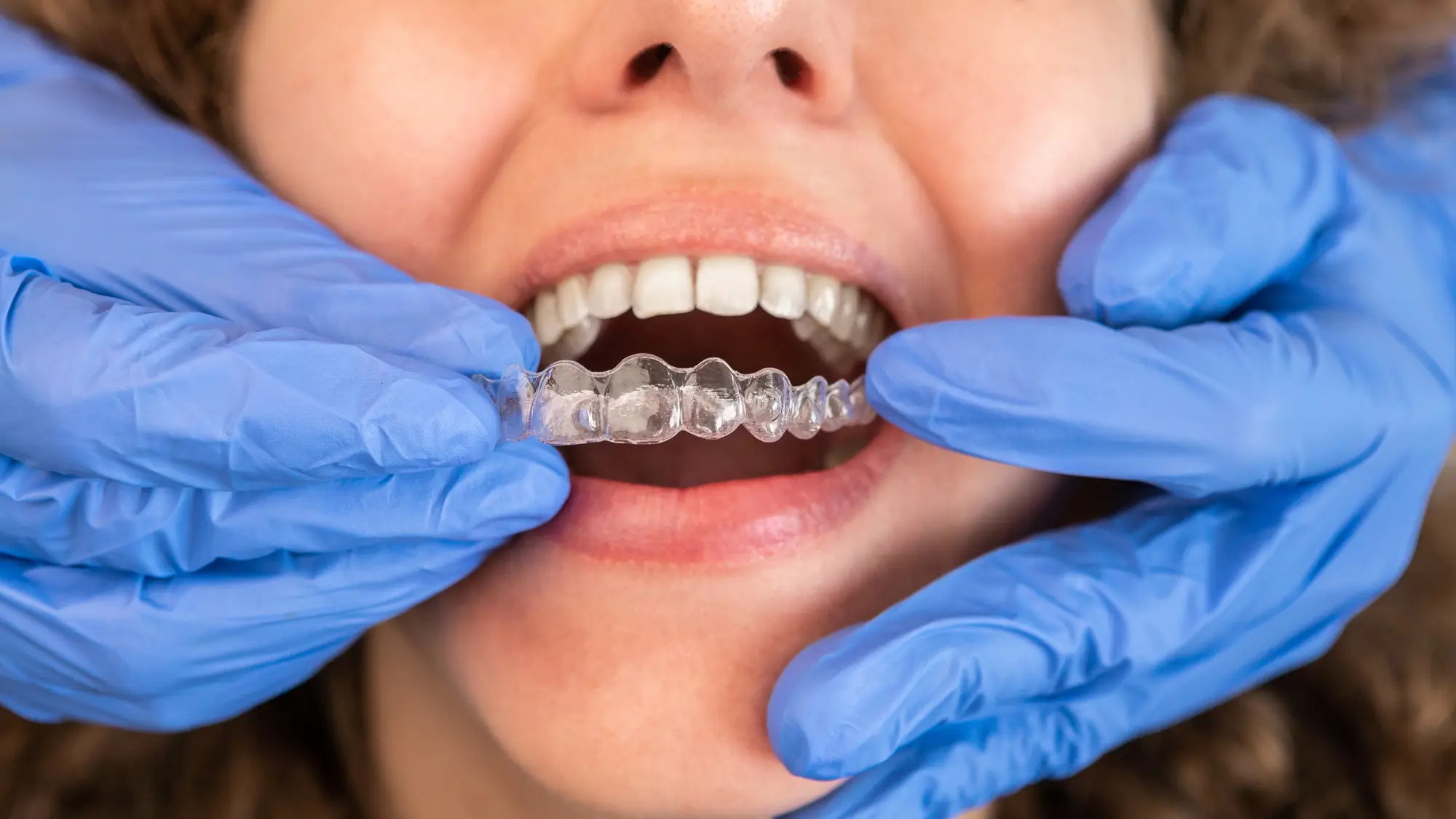
Consistent wear, generally at least twenty-two hours daily, is what keeps a treatment plan on schedule. Removing aligners too often for eating or socializing can extend the total timeline.

What Happens After the Aligners Come Off?

Retainers are typically needed afterward to keep teeth from shifting back into old positions, and wear time is usually reduced gradually rather than stopped all at once. Regular checkups help confirm that results are holding as expected long after the last aligner is removed.
Anyone starting orthodontic treatment usually wants one answer before anything else: how long will it take? For patients considering Invisalign in Philadelphia, the honest answer depends on a few specific factors rather than a single fixed number.   Treatment length is not one-size-fits-all, and understanding what drives the timeline helps set realistic expectations from the start. Some patients finish in under a year, while others need extra months to fully align a more complex bite.   If you’re considering starting Invisalign treatment, it’s helpful to know what typically speeds up or slows down the process and what a first visit usually reveals about a specific case.   What Determines an Invisalign Timeline   Case Complexity Matters Most   Treatment length depends on the product type, how consistently the aligners are worn, and the complexity of the case, according to the Invisalign® treatment time guidance. Mild crowding or spacing tends to resolve faster than more complex bite issues.   How Aligners Move Teeth Over Time   The American Association of Orthodontists notes that each aligner is typically worn for one week, for at least twenty-two hours a day, moving teeth a fraction of a millimeter at a time. Multiply that pace across dozens of aligners, and the cumulative shift becomes clear.   Typical Timelines by Case Type   General ranges patients can expect, though a dental evaluation is the only way to confirm an individual timeline:   Mild crowding or spacing: several months   Moderate misalignment: around a year   More complex bite issues: over a year, sometimes with refinement aligners   Why an Initial Exam Sets the Timeline   A comprehensive exam is what turns a general range into an actual plan, since digital scans and X-rays reveal the exact movements each tooth needs. Skipping this step, or basing a timeline on guesswork, is one of the most common reasons treatment expectations go wrong.   Gum Health Can Affect the Schedule   Underlying gum disease may need to be addressed through periodontal care before aligner treatment can begin safely. Treating it first protects both the teeth and the surrounding bone during months of gradual movement.   Staying on Schedule Once Treatment Starts   Consistent wear is only part of the equation, since plaque can build up around aligners more easily than around natural teeth alone. Keeping up with routine cleanings throughout treatment helps protect enamel and keep the timeline on track.   Frequently Asked Questions About Clear Aligner Treatment   Can Treatment Ever Take Less Than a Year?   Mild cases involving only minor crowding or spacing sometimes finish in several months rather than a full year. A dental evaluation is the only reliable way to know which category a smile falls into.   Do Aligners Need to Be Worn All Day?   Consistent wear, generally at least twenty-two hours daily, is what keeps a treatment plan on schedule. Removing aligners too often for eating or socializing can extend the total timeline.   What Happens After the Aligners Come Off?   Retainers are typically needed afterward to keep teeth from shifting back into old positions, and wear time is usually reduced gradually rather than stopped all at once. Regular checkups help confirm that results are holding as expected long after the last aligner is removed.   Start Invisalign in Philadelphia at Center City Dental   Every smile moves at its own pace, and the team at Center City Dental is happy to map out a realistic timeline for you. Anyone ready to start Invisalign in Philadelphia can schedule a consultation to get an exact treatment plan instead of a guess.      *Invisalign®, the Invisalign logo, and iTero®, among others, are trademarks and/ or service marks of Align Technology, Inc. or one of its subsidiaries or affiliated companies and may be registered in the U.S. and/or other countries.

Start Invisalign in Philadelphia at Center City Dental

Every smile moves at its own pace, and the team at Center City Dental is happy to map out a realistic timeline for you. Anyone ready to start Invisalign in Philadelphia can schedule a consultation to get an exact treatment plan instead of a guess.

*Invisalign®, the Invisalign logo, and iTero®, among others, are trademarks and/ or service marks of Align Technology, Inc. or one of its subsidiaries or affiliated companies and may be registered in the U.S. and/or other countries.

What Our Philadelphia, PA Dental Patients Are Saying

Call or Book an Appointment Now at Our Philadelphia, PA Dentist Office

Learn more about all of our Philadelphia dental services and modern technology.

(215)-981-0380
Book Now