
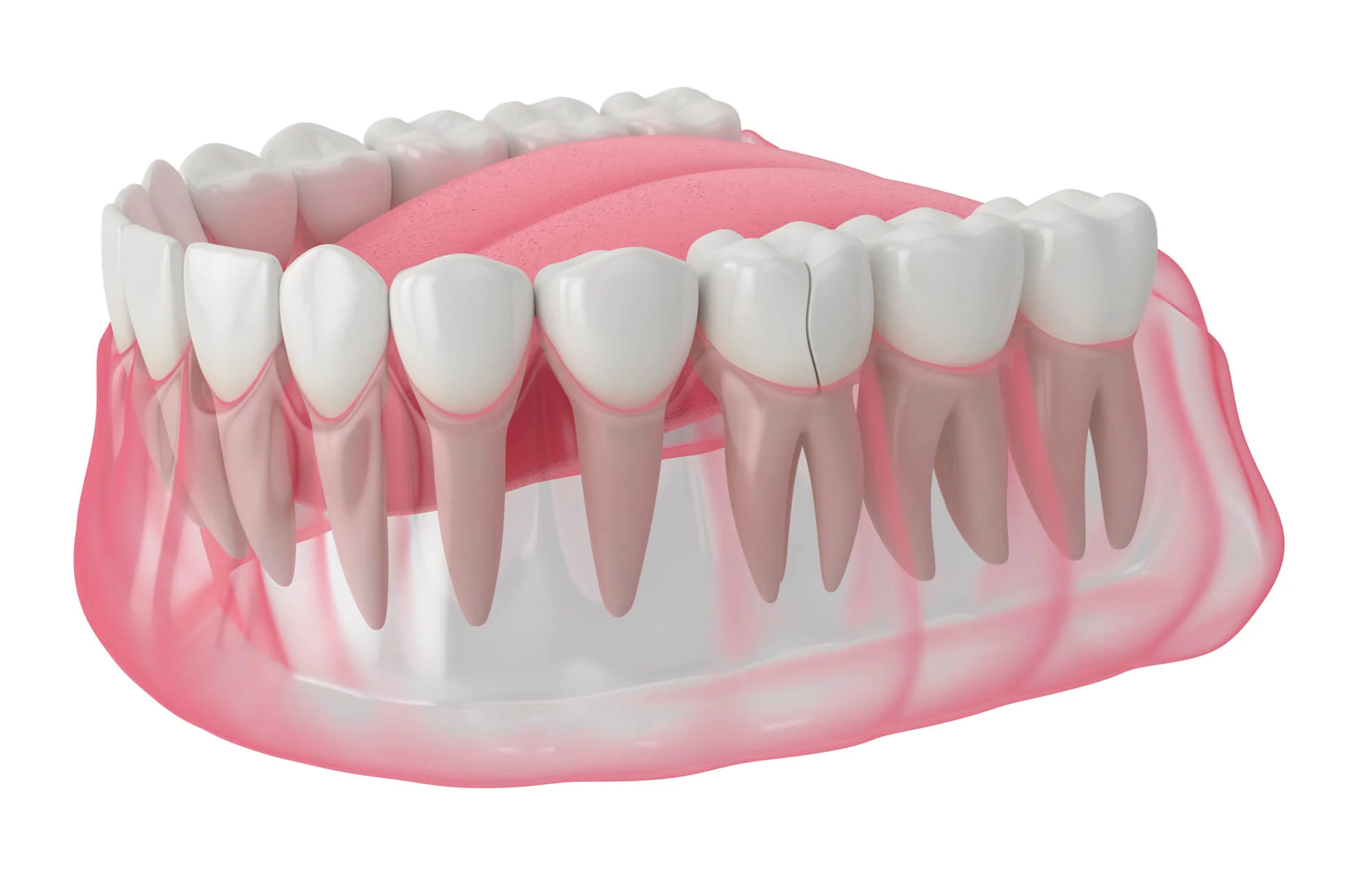
Sudden oral trauma often causes significant anxiety, leading many individuals to question the urgency of their situation. Distinguishing between a minor aesthetic concern and a structural crisis is vital for preserving long-term dental health. Consulting a skilled emergency dentist in Philadelphia ensures that severe injuries receive professional evaluation before permanent complications arise.
What Distinguishes a Chipped Tooth From a Cracked One?
Understanding Minor Surface Chips
A chipped tooth typically involves the loss of a small piece of enamel from the outer protective layer. While often painless, these irregularities may create sharp edges that irritate soft tissues like the tongue or inner cheeks.
Recognizing Potentially Severe Cracks
Cracks are significantly more concerning because they often extend deep into the internal nerve layers of the tooth. Clinical evidence suggests that untreated internal structural fractures frequently result in persistent pain or secondary infections if left unmonitored.
When Should Trauma Be Considered an Immediate Crisis?
High-Impact Damage With Bleeding
Any injury resulting in persistent oral bleeding or severe swelling warrants an immediate clinical assessment. Lacerations to the gum or lip tissue combined with structural damage often require professional suturing to promote proper biological healing.
Structural Displacement or Avulsion
If an impact causes a tooth to shift position or completely exit its socket, time is a critical factor. Medical guidelines indicate that preserving the biological viability of the root structure is essential for successful re-implantation or restorative therapy.
Why Does Timely Intervention Matter?
Preventing Irreversible Pulp Damage
The internal nerve chamber of a tooth is highly vulnerable once the enamel protective barrier is breached. Seeking rapid treatment from an emergency dentist in Philadelphia allows practitioners to perform conservative restorative therapy before the internal nerve dies completely.
Mitigating Long-Term Restoration Costs
Ignoring minor fractures often leads to the development of massive decay or total tooth failure. Proactive general clinical diagnostics identify microscopic vulnerabilities that are significantly cheaper to fix in their infancy.
What Procedures Address Dental Trauma?
Advanced Structural Bonding
For minor aesthetic chips, clinicians utilize high-strength, biocompatible materials to rebuild the lost anatomical shape. These restorative clinical techniques provide a seamless appearance that mimics natural enamel perfectly.
Comprehensive Protective Coverage
When a crack is extensive, placing a protective restoration reinforces the tooth against further mechanical chewing stress. This preventive approach prevents the fracture from propagating deeper into the root system.
How Should Patients Manage Trauma Before Care?
Prioritizing Initial Stabilization
Maintaining composure and applying cold compresses to the affected area helps manage sudden swelling effectively. It is important to avoid placing any synthetic medication directly against the gums to prevent unnecessary chemical tissue burns.
Handling Displaced Structural Fragments
If a large piece of the tooth breaks off, rinsing it gently and storing it in a small container of milk or saliva is recommended. Professional guidance suggests that maintaining moisture for biological fragments greatly aids clinical reattachment procedures.

Connect With an Emergency Dentist in Philadelphia Today
The dedicated team at Center City Dental provides expert, compassionate care for all types of oral trauma. Schedule an urgent clinical evaluation with the professional staff today to speak with a reliable emergency dentist in Philadelphia and restore oral comfort.
.svg)
